This article was co-authored by Robyn Hughes, ND, and Correct Toes inventor Ray McClanahan, DPM, and it appears on the Correct Toes Blog in a slightly different form.
Myths abound in the footwear industry, and many types of shoes that are purported to be “good for your feet” can actually lead to foot pain and problems. In this article, we take a closer look at clogs, a style of shoe that many believe promotes foot health but is, unfortunately, a common contributor to a variety of foot ills. Read on to learn all about clogs and why they fail to live up to their reputation as builders and preservers of optimal foot and toe health.
A Brief History of Clogs
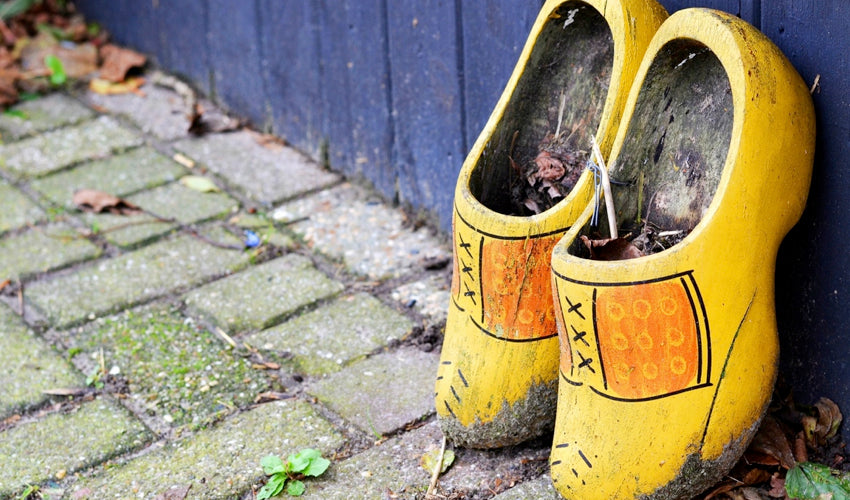
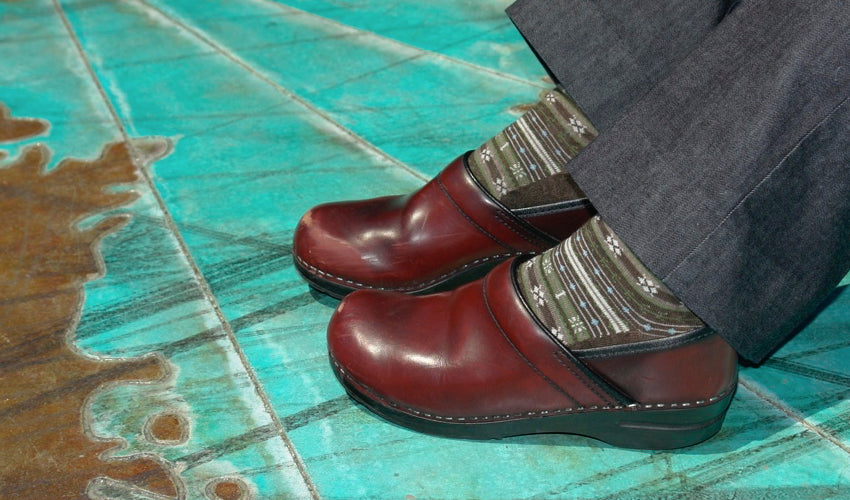
From restaurants to offices to hospitals to healthcare clinics, clogs are ubiquitous footwear in work and casual environments alike. A traditional clog is made solely from wood, while contemporary clogs incorporate wood soles (or no wood at all) with upper materials such as leather, which allows for more versatility and greater comfort. Today’s clogs (such as Danskos) are inspired by that original wood-style design, and they are sometimes backless, almost always have a heel and pitched toe box, and are usually stiff-soled.
Clogs are a traditional part of many cultures throughout the world, including Dutch, Swedish, and Japanese cultures, and are worn for several key reasons, including protection, fashion, and for certain types of dance. The popularity of clogs has increased in recent years, as many consumers have been persuaded that clogs are a practical and foot-healthy option.
But is this belief fact or fiction? And are clogs really any different from “conventional” footwear? Let’s find out.
Footwear Industry Myths Perpetuated

Many doctors (including podiatrists) recommend clogs to patients who have foot ailments. Some of the design characteristics that have earned various types of clogs this high praise include anatomically contoured arch support, rocker-bottom soles, and heel elevation—the latter an attribute that some doctors believe eases the strain on leg and back muscles.
It’s no wonder, then, that clogs have gained an almost mythic reputation for being foot-healthy footwear. Sadly, this reputation is built on an incredible amount of misinformation that touts arch support, bizarre sole construction, and heel elevation as beneficial shoe design features. The idea of clogs as beneficial footwear has gone mainstream, but the underpinnings of this belief are nothing more than regurgitated shoe industry myths about what constitutes a healthy and stable home for your feet.
The Truth About Clogs
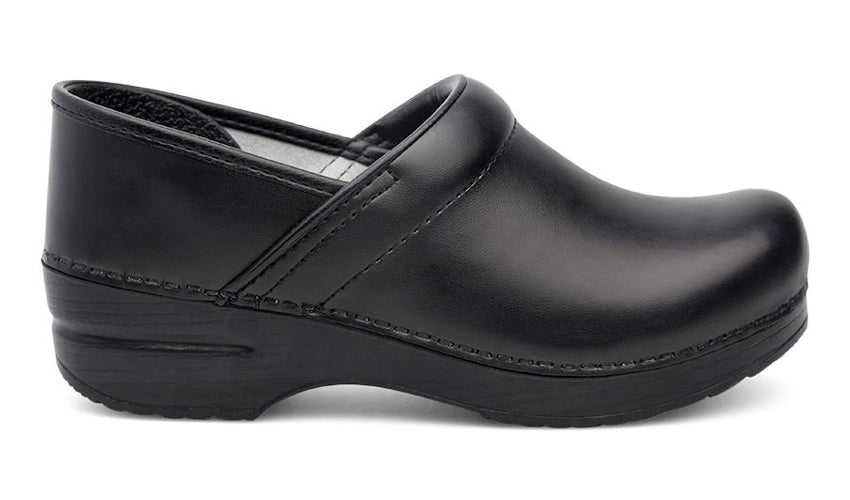
The truth is, clogs are among the most harmful or injurious shoe types available to consumers. And most clogs share many of the same unfavorable and damaging design elements that other conventional shoes possess (please see the section immediately below for more detailed info about these elements). Clogs, like other conventional shoes, strip your foot of its inherent power, destabilize your main foot arch, and contribute to common toe deformities and problems, such as hallux valgus, bunions, tailor's bunions (bunionettes), hammertoes, and clawtoes, among others. Clogs also make it difficult for you to experience much (if any) tactile feedback from the ground you walk on, due to their extraordinarily thick and rigid soles.
You won’t hear this truth about clogs from many other sources, which is why it’s so important to heed this warning: Clogs, like other types of conventional footwear, cause or contribute to many foot and toe problems, including neuromas, plantar fasciosis, and ingrown toenails. And they do this because they hold your foot and toes in an unnatural, compromised position for many hours at a time. It’s only by examining the harmful design elements included in most clogs, though, that you’ll get a better sense of how clogs actually impair foot health and cause problems.
Harmful Shoe Design Elements

The following design elements are common inclusions in most clogs (as well as in other types of dressier footwear). These elements, either individually or collectively, alter foot anatomy and function in unfavorable ways and should be avoided:
-
Rigid Soles: Thick, rigid soles make it almost impossible to get a sense of the ground you’re walking on, which may predispose you to errant footfalls and ankle injuries. The biggest problem with rigid soles, however, is that they hold your feet and toes in a compromised and deformed position for prolonged periods. When you wear shoes with rigid soles, it’s like putting your foot in a cast and expecting it to get stronger. In most cases, only a very thin layer of material between your foot and the ground is all that’s required to adequately protect your sole.
-
Heel Elevation: Most clogs possess a design element called heel elevation that raises your heel above your forefoot. Heel elevation is problematic for several reasons. First, it destabilizes your inherently strong main foot arch (your medial longitudinal arch). Second, it places excessive pressure on the ball of your foot and the many important structures located in this part of your foot (e.g., bones, nerves, blood vessels, etc.). And third, it increases your likelihood of an ankle sprain, as an elevated heel is less stable and rolls more freely from side to side than a heel that is flat on the ground. A foot-healthy shoe has a completely flat sole from heel to toe.
-
Tapering Toe Boxes: Toe box taper—and the wedge-like position it forces your toes into—is a major problem associated with most conventional shoes, including clogs. There is a common belief that clogs possess a “wide toe box,” and that this is good for foot health. While it’s true that a wide toe box is indeed a foot-healthy design feature to look for in footwear, most shoes that claim to have a wide toe box—including many varieties of clogs—are actually widest at the ball of the foot, not at the ends of the toes, where you need the width the most. A truly foot-healthy shoe possesses a toe box that allows your toes to splay properly, the way nature intended.
-
Toe Spring: Toe spring is another major design flaw built into most conventional footwear, including clogs. Toe spring, also known as toe ramping, is a design element that elevates your toes above your forefoot. When combined with heel elevation, toe spring effectively inverts your main foot arch, destabilizing your arch and putting excessive pressure on the ball of your foot. When it comes to toe spring, what’s especially pronounced in most clogs (even more than other types of footwear) is both the toe spring itself and the rigidity of this toe spring. The rigid toe spring built into most clogs holds or immobilizes your toes in an unnatural, extended position, which contributes to foot tendon imbalances and tight toe extensor muscles over time. Tight toe extensor muscles and tendons can cause various toe deformities, a problem collectively known as crooked toes.
The above shoe design elements, found in all clogs, do indeed wreak havoc on the foot, but what are the long-term effects of clogs and other conventional footwear?
Lasting Effects of Clogs & Other Injurious Footwear
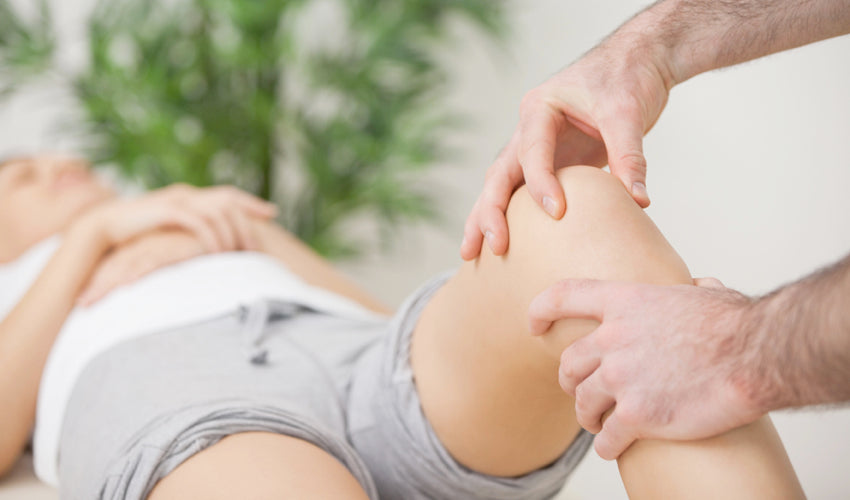
Clogs and other conventional footwear can cause both immediate and long-term discomfort and foot problems. Some research also indicates that the loads on hip and knee joints are significantly higher in people who wear conventional footwear than in those who go barefoot. A 2006 study published in the journal Arthritis and Rheumatism states that conventional footwear may be contributing to the prevalence and progression of hip and knee osteoarthritis in our society. Osteoarthritis is an extremely painful joint problem that’s associated with excessive joint wear and tear. This health problem can significantly affect your quality of life and keep you from enjoying your favorite physical activities.
What, Then, Constitutes a Foot-Healthy Shoe?
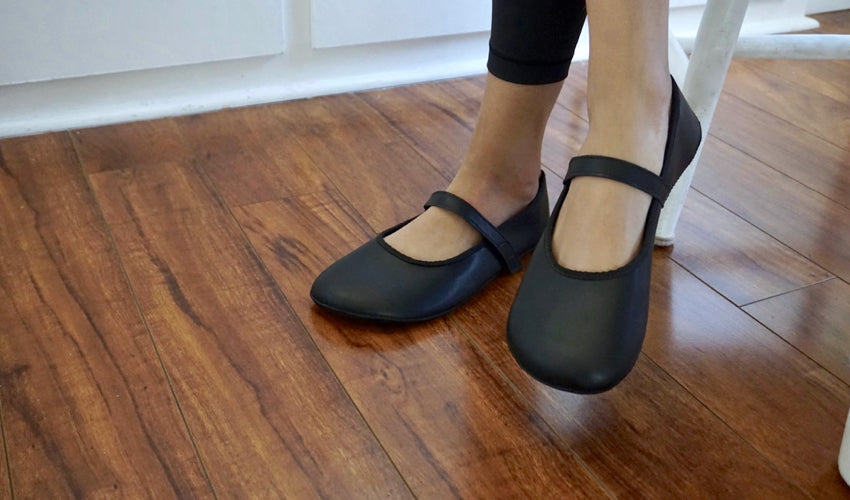
Foot-health-positive footwear (i.e., footwear that respects normal and natural foot and toe anatomy) allows your toes to splay and can help prevent or address foot and toe problems by staying out of the way of your foot and toes and allowing your foot to function the way nature intended. Foot-healthy footwear possesses the following key characteristics:
- A lightweight design that lets your foot move naturally
- A flexible sole that can be easily bent or twisted in multiple directions
- A completely flat support platform from heel to toe to enable natural arch support
- A toe box that is wide at the ball of the foot and then gets even wider toward the ends of your toes (instead of getting narrower)
One of the first steps in preventing or addressing common foot problems is to adopt foot-healthy footwear. At Natural Footgear, we take great pride in featuring men’s and women’s footwear that best supports and preserves natural foot health. Every shoe that appears on our site is Natural Footgear Certified, which means it lives up to our expectations for what constitutes a healthy piece of footwear. We are extremely picky when it comes to the footwear we feature on our site, and not many brands or models make the cut.
Foot-Healthy Dress Shoes
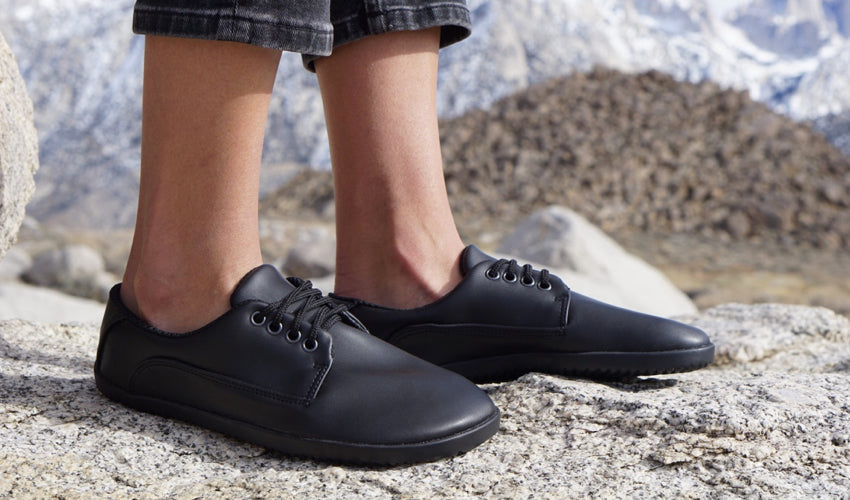
Finding footwear (especially for women) that's both foot-healthy and attractive by society's standards (for the workplace and for formal use) is very challenging. We're always on the search for foot-healthy dress shoes. If you know of a model that fits our criteria for foot-healthy footwear, we would be happy to hear from you. In the meantime, here are a few of our favorite, dressier options that are currently featured on the Natural Footgear site:
Lems Zen Clog (for Men & Women)

The Lems Zen Clog is a minimalist slip-on that combines the easy convenience of a classic clog with the foot-friendly design features that Natural Footgear advocates. Built on a zero-drop platform, it allows your foot to function naturally while standing, walking, or moving about the house or workplace. Its generous toe box provides ample space for your toes to spread and relax, helping support balance and stability throughout the day. The shoe’s lightweight construction and flexible sole make it easy to wear for long periods, while the open-back design makes slipping it on and off simple for everyday use.
SHOP MEN'S SHOP WOMEN'S
Ahinsa Ananda Barefoot Ballet Flat (for Women)
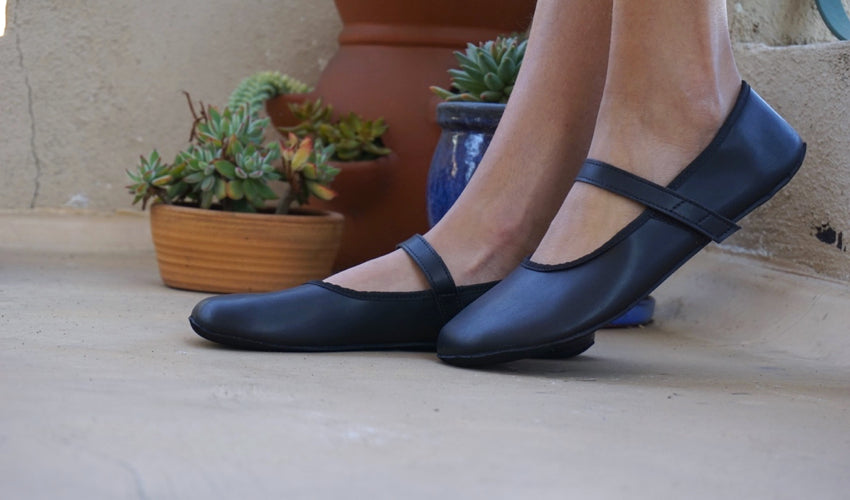
This comfortable, Mary Jane-style minimalist shoe has one of the most generous toe boxes of any women's shoe we've ever seen, and its super flexible sole ensures that your foot can become strong on its own. The Ahinsa Ananda Barefoot Ballet Flat both looks nice and supports natural foot health, making it a rare find for women seeking a dressier shoe for work or around town.
SHOP AHINSA BALLET FLAT
Lems Nine2Five (for Men)
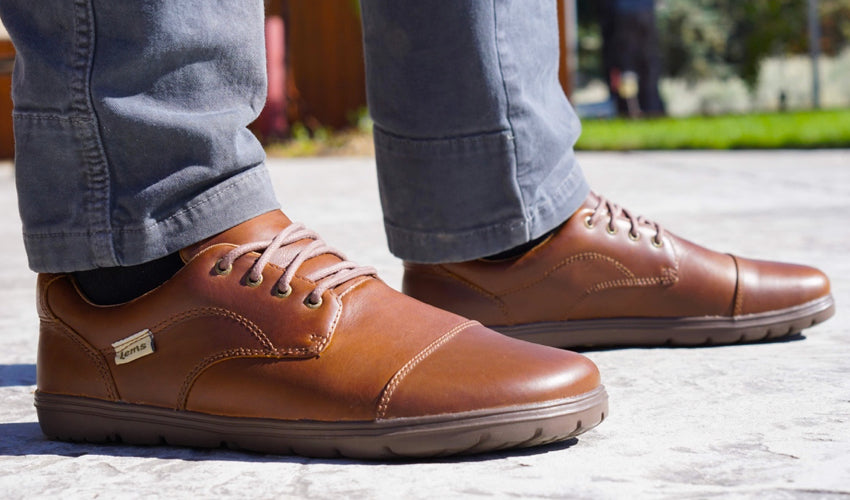
The Lems Nine2Five is one of the most comfortable shoes we've ever tried, comes in a variety of sizes (including larger ones for bigger-footed men), and can easily be worn in both office and casual settings. It has a very wide toe box that easily accommodates Correct Toes and a zero-drop platform that helps enable natural arch support. The Nine2Five covers a lot of bases, and we think you'll love this shoe as much as we do.
SHOP LEMS NINE2FIVE
Other possible foot-healthy fashion footwear options include the Lems Chukka for men and women and the Lems Boulder Boot in Leather Raven and Leather Russet for men and women. More about these models here:
Lems Chukka Boots (for Men & Women)

The Lems Chukka is an attractive and versatile casual boot that offers your foot a comfortable environment in which to flex, bend, and move. This boot, with its stylish cut and fashionable design, is an excellent choice for any number of occasions or settings, whether it be for trips around town or for meetings with clients in your office or co-working space. With its accommodating upper and injection blown rubber sole, this minimalist boot is incredibly comfortable and lightweight, and it also packs away easily, making it a great option for longer trips.
SHOP LEMS CHUKKA
Lems Boulder Boot in Leather Raven (for Men & Women)
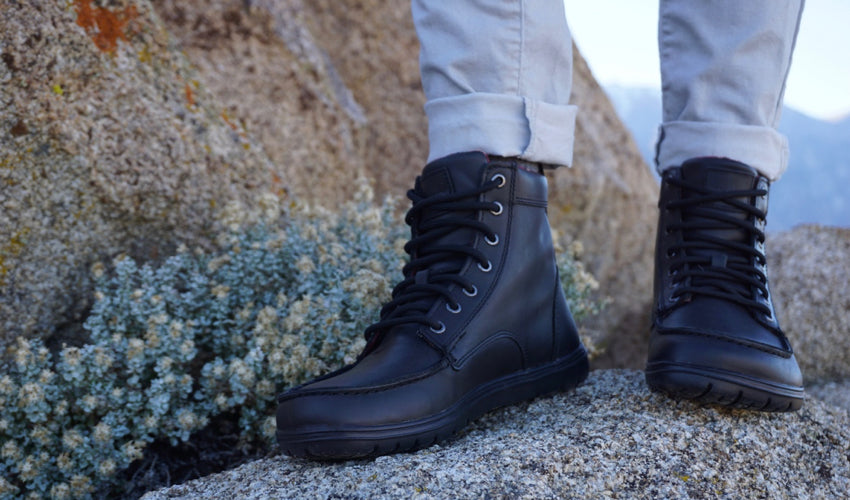
The Lems Boulder Boot in Leather Raven is a unisex boot that you can wear in many different ways. It possesses an upper that's made of durable 1.8 mm full-grain leather to help improve foot comfort, and it sports a generous toe box that's compatible with Correct Toes, which allows you to experience the foot health benefits that come with natural toe splay. This lightweight, barely-there boot contains no heel counter, toe counter, or shank, and it packs away easily, preserving space in your travel bag or luggage.
SHOP MEN'S SHOP WOMEN'S
Lems Boulder Boot in Leather Russet (for Men & Women)
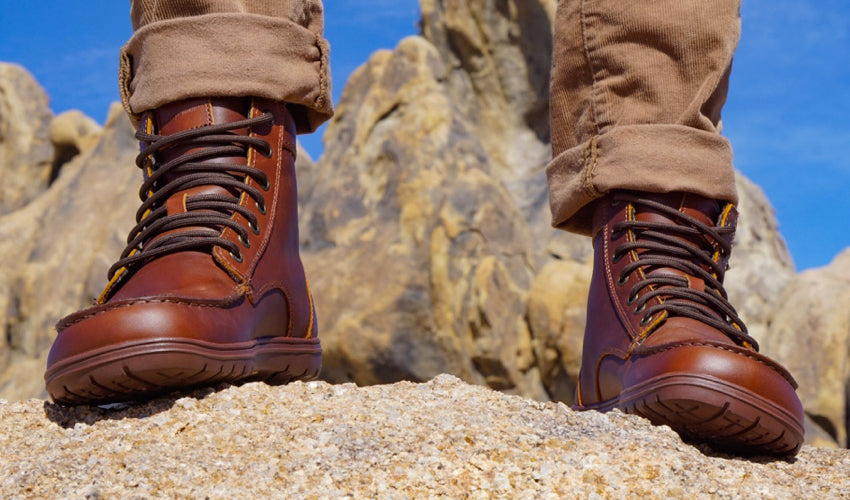
The Lems Boulder Boot in Leather Russet is identical to the Leather Raven boot in every respect except for its color. It's another excellent choice for fashion-conscious folks interested in building and preserving natural foot health.
SHOP MEN'S SHOP WOMEN'S
Additional Helpful Footgear
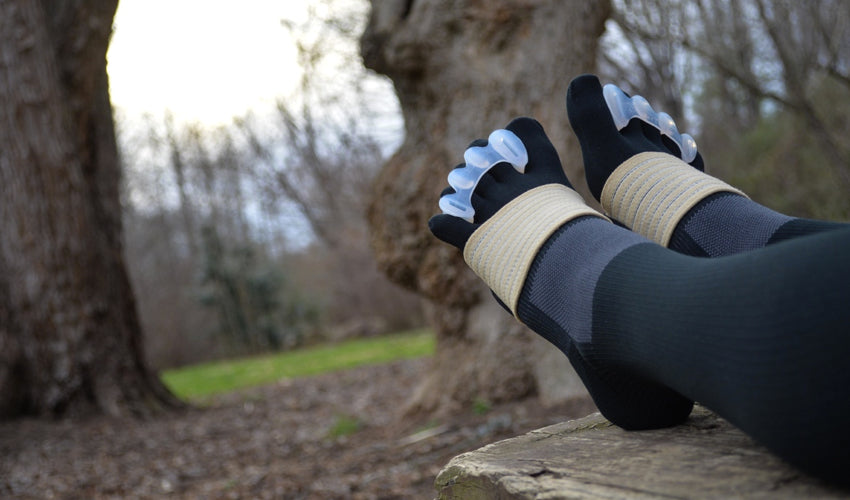
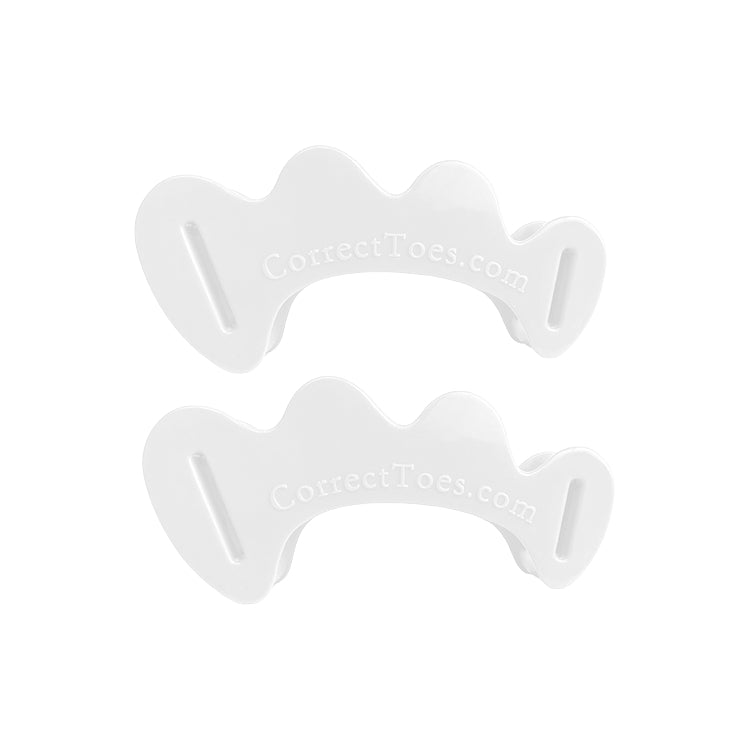
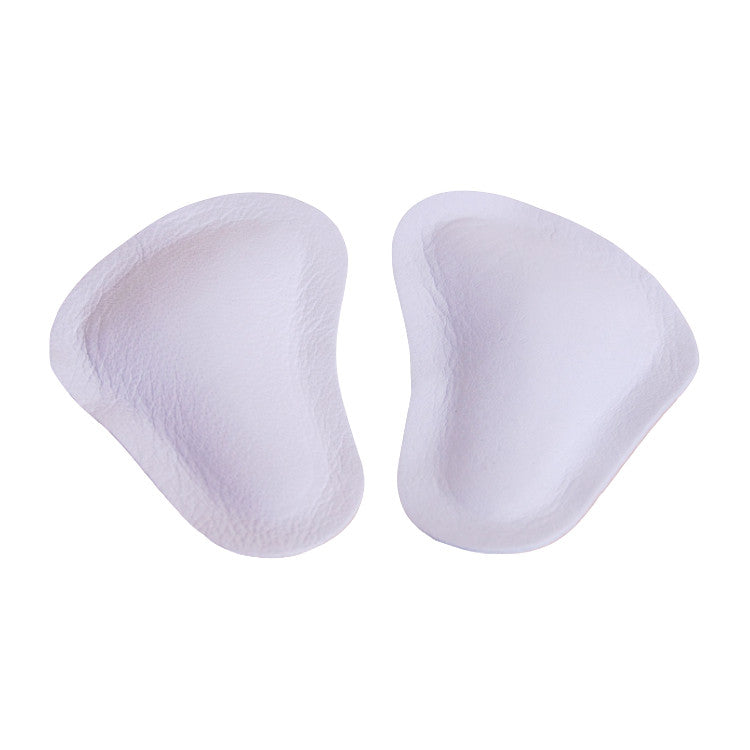
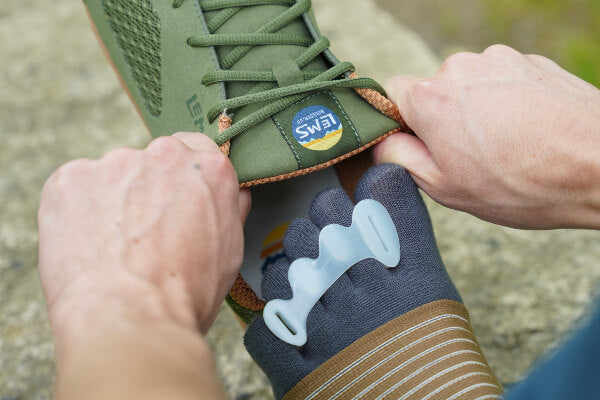
It’s also important to restore normal, healthy foot and toe anatomy after years of wearing conventional footwear. A toe spacing device, such as Correct Toes, can help you do just that, as can metatarsal pads and toe socks. Certain foot and toe rehabilitation exercises are also important, including the Toe Extensor Stretch, Big Toe Stretch, and Hammertoe Stretch, as well as the Hacky Sack Grab and Short Foot Exercises.
SHOP CORRECT TOES SHOP INJINJI TOE SOCKS SHOP METATARSAL PADS
Opinion: Clogs Just Don't Measure Up
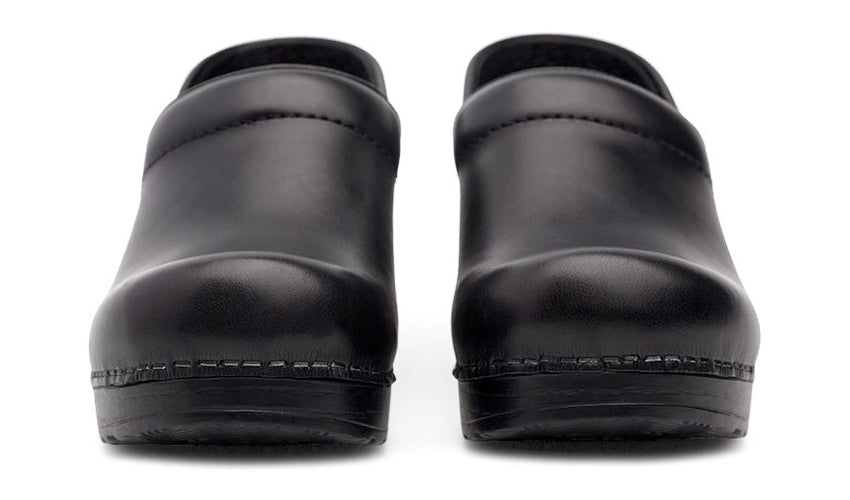
Clogs are not what they are touted to be. And wearing clogs is not a way for you to improve or preserve your foot health, as most clogs include design elements that actually cause foot pain and problems, either in the short term or down the road. To truly preserve foot and toe health, seek out men's or women's foot-healthy footwear that is lightweight, is flat from heel to toe, possesses a toe box that’s widest at the ends of your toes, and has a sole that can be easily bent and twisted. Your feet will thank you!
Reference
- Shakoor N, Block JA. Walking barefoot decreases loading on the lower extremity joints in knee osteoarthritis. Arthritis & Rheumatism. 2006. Sep; 54(9): 2923-2927.





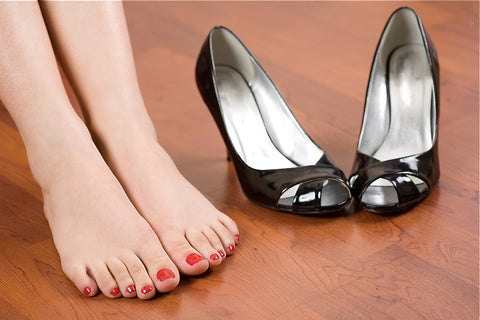
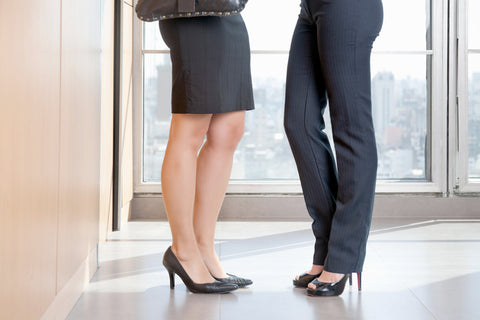 What foot issues are commonly caused by women's fashion footwear? Many. Among the most common are bunions, plantar fasciosis (often inaccurately referred to as plantar "fasciitis"), hammertoes, neuromas, and ingrown toenails. There are three main "features" of fashion footwear that, over time, cause foot problems in women. These design elements are heel elevation (the heel is elevated above the forefoot), tapering toe box (the toe box gets narrower as it...
Read more
What foot issues are commonly caused by women's fashion footwear? Many. Among the most common are bunions, plantar fasciosis (often inaccurately referred to as plantar "fasciitis"), hammertoes, neuromas, and ingrown toenails. There are three main "features" of fashion footwear that, over time, cause foot problems in women. These design elements are heel elevation (the heel is elevated above the forefoot), tapering toe box (the toe box gets narrower as it...
Read more


I read the article about clogs and wondered what your opinion of Croc type shoes is. Many have the features you encourage, and I realize with their growing style selection not all fit the natural footwear concept. For a basic roc though, could you share your opinion?
Also, any word on children’s correct toes? My daughter (11) needs them very much. She currently wear size 4 still from the children’s sizes (not yet women’s size yet).
Thank you!
Dana
Hi, Dana,
Thank you for your message. We were early adopters of Crocs back when they were the only foot-healthy shoe option available, and we still like certain models of Crocs, especially the Rx Relief model, though many models no longer support natural foot health (as you noted in your comment).
Children’s Correct Toes (www.naturalfootgear.com/products/correct-toes) are now available on the Natural Footgear site! They are the “Small” size.
Kind regards,
Marty Hughes, DC