
Definition
Arthritis: Painful joint inflammation and stiffness.
General Info
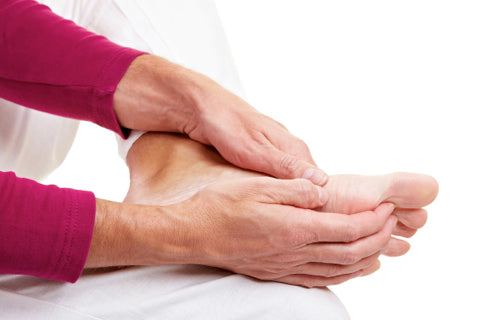
Arthritis, which literally means “joint pain,” is one of the leading causes of disability among Americans. Arthritis, including arthritis in the foot, toe, and ankle joints, can occur at any age, though certain types of arthritis may be more common in older or younger individuals. There is no cure for this health problem, though there are many treatment options available. Treating arthritis in its early stages may allow a person with this condition to more easily manage symptoms, maintain a high quality of life, and avoid surgery and certain health complications later on.
Three main types of arthritis may cause pain and other symptoms in the foot, toes, or ankle, including:
-
Osteoarthritis: Osteoarthritis, also called degenerative joint disease or “wear and tear” arthritis, is the most common type of arthritis affecting the foot. Osteoarthritis involves a wearing away (over years) of smooth joint cartilage. Osteoarthritis is a progressive health problem that may cause bone spurring in some parts of the body.
-
Rheumatoid Arthritis: Rheumatoid arthritis is the most common type of inflammatory arthritis affecting the foot. Other types of inflammatory arthritis that may affect the foot include gout, psoriatic arthritis, Reiter’s syndrome, and ankylosing spondylitis. In most cases, rheumatoid arthritis-related symptoms first arise in the toes and forefoot, then at the back of the foot, and eventually in the ankle.
-
Post-Traumatic Arthritis: Post-traumatic arthritis may occur after a foot or ankle injury, and it can develop even years after a person experiences a fracture or severe ligament sprain. Post-traumatic arthritis involves cartilage damage, just like osteoarthritis. A physician may order X-ray imaging to assess the problem and to rule in or rule out a diagnosis of post-traumatic arthritis.
Signs & Symptoms
Common signs and symptoms of foot, toe, and ankle arthritis include:
- Bone spurs
- Joint swelling
- Pain in the involved joint
- Decreased joint flexibility
- Joint deformity and instability
- Joint tenderness and stiffness
- A grating sensation in the affected joint
Possible Causes
Foot, toe, and ankle arthritis may be caused by numerous factors, and the underlying cause of the arthritis depends on the specific type of arthritis a person has.
Factors that contribute to osteoarthritis include:
- Advanced age
- Bone deformity
- Muscle imbalances
- Obesity and sedentary living
- A family history of this condition
Other health problems—diabetes, Paget’s disease, underactive thyroid—may also increase the likelihood of developing osteoarthritis.
Rheumatoid arthritis is an autoimmune condition whose true cause is unknown. Like other autoimmune conditions, rheumatoid arthritis is a health problem in which a person’s own immune system targets and attacks his or her healthy joint tissues.
Post-traumatic arthritis is caused by direct trauma or injury to the foot, toe, or ankle.
Helpful Strategies
Foot, toe, and ankle arthritis cannot be cured, though many treatment methods, including conservative measures, may be beneficial in controlling the symptoms. Possible treatment techniques or tools include:
- Braces
- Acupuncture
- Physical therapy (hot/cold therapy, etc.)
- Lifestyle changes (exercise, diet, sleep, weight loss)
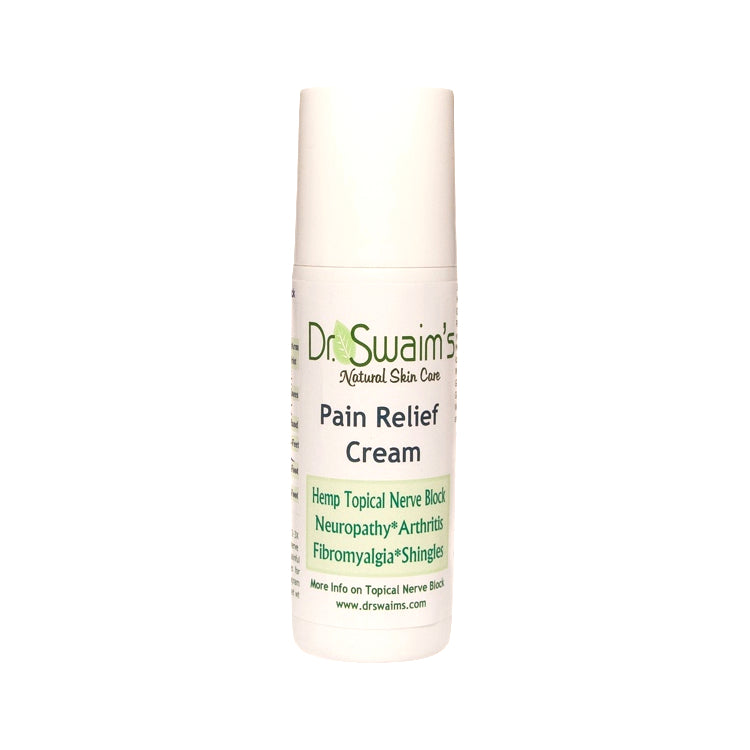
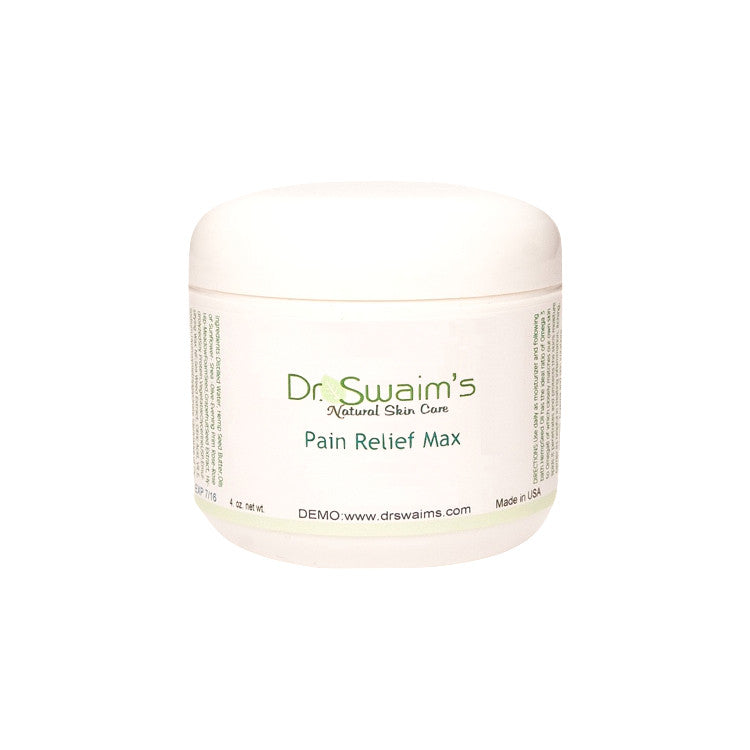
- Pain creams (such as Dr. Swaim’s Pain Relief Max)
- Nutritional supplementation (e.g., natural anti-inflammatories)
- Footwear modifications (wearing shoes that are wider in the toe box and less restrictive)
-
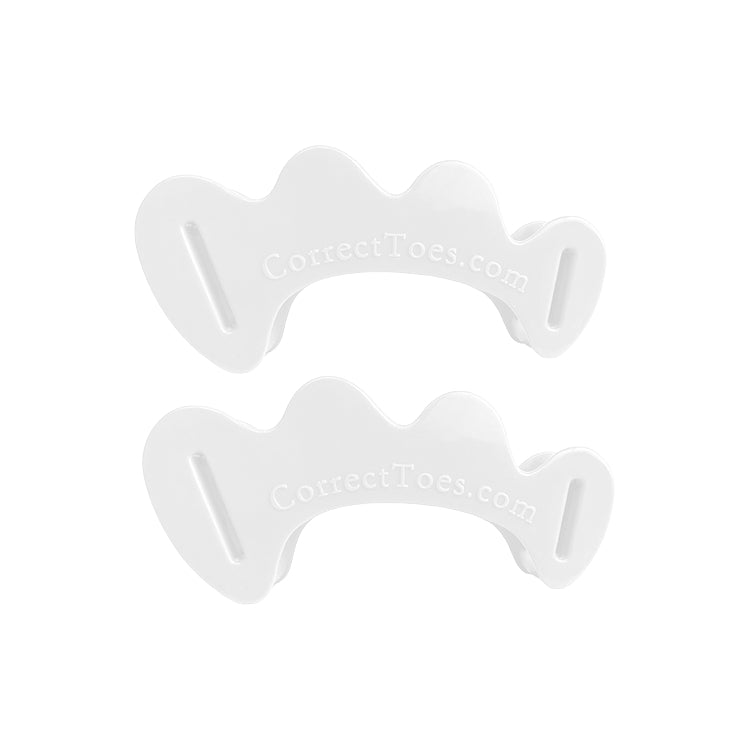
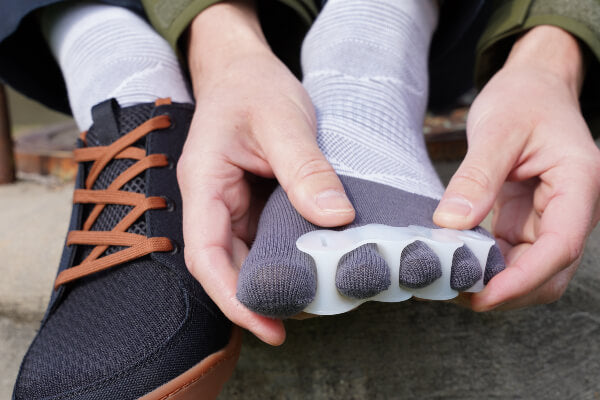
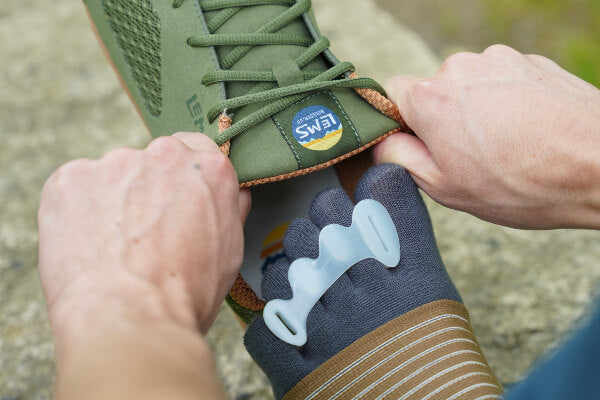
Correct Toes (to optimize the body's support platform and promote lower body musculoskeletal health)
We recommend speaking with a healthcare provider about all relevant treatment methods to help control foot, toe, and ankle arthritis-related symptoms.

WANT TO IMPROVE YOUR FOOT HEALTH?
Let the team at Natural Footgear help you! Subscribe to our newsletter for the latest offers and helpful info, and sign up for our FREE email courses on various topics and foot health conditions.
Sign Up →
Want to Improve Your Foot Health?
We are here to help you every step of the way. Get our newsletter for the latest offers and helpful info, and sign up for our FREE email courses on various topics and conditions, including bunions, hammertoes, neuromas, plantar fasciosis, shin splints, ingrown toenails, and more.
Sign Up →


 In this video, Dr. Ray McClanahan, a sports podiatrist at Northwest Foot and Ankle and the inventor of Correct Toes, discusses the most common causes of foot and toe osteoarthritis. He also reviews common conventional approaches to foot osteoarthritis and compares these with more natural approaches that have proven helpful for his patient base. Learn more about this common problem, and what you can do about it, in this insightful...
Read more
In this video, Dr. Ray McClanahan, a sports podiatrist at Northwest Foot and Ankle and the inventor of Correct Toes, discusses the most common causes of foot and toe osteoarthritis. He also reviews common conventional approaches to foot osteoarthritis and compares these with more natural approaches that have proven helpful for his patient base. Learn more about this common problem, and what you can do about it, in this insightful...
Read more

What’s your advice on how to treat a bone spur that’s on the top of the foot?
Hi, Julie,
Thank you for your question—it’s a really good one. Some foot docs approach this problem in the following way:
They apply a topical local anesthetic over the bone spur in question and cover it with plastic wrap, leaving this setup in place for about 45 minutes. Then, the doc will ask the patient to do an activity that would normally cause pain in the area of the bone spur. If the topical local anesthetic eliminates the pain, it’s likely that the patient has neuritis/neuralgia from the spur irritating their nerve, in which case lacing strategies (e.g., skip technique) can be employed, along with precise shoe stretching. It’s very important in this scenario to avoid any footwear-related pressure on the affected area, at least until the nerve calms down.
If the topical local anesthetic does not eliminate the pain, it’s likely that the pain is related to osteoarthritis, and the patient may benefit from surgical excision of the bone spur, or a selective fusion procedure. Interestingly, bone spurs that occur on the top of the foot are often associated with a big toe that is out of alignment, which creates aberrant loading of the tarsometatarsal joints and, later, osteoarthritis. For this reason, foot-healthy footwear is necessary to permit realignment of the big toe. One sign that there may be significant osteoarthritis present is if there is foot pain when the tarsometatarsal joints are twisted. Radiographs will often provide a lot of helpful information as well.
I hope this info helps, Julie! Please let us know if you have any follow-up questions.
All the best,
Robyn Hughes, ND
I’m curious to get your thoughts on the relationship between footwear and osteoarthritis. Any info you can pass along?
Hi, Diana. Thank you for your question! Footwear plays a far more influential role in joint health—and particularly in the development or mitigation of osteoarthritis—than most people realize. Many conventional shoes incorporate features such as heel elevation, tapering toe boxes, toe spring, and rigid soles, all of which can subtly alter lower extremity alignment and load distribution. These design elements shift forces away from the foot’s natural support structures and toward the knees and hips, increasing compressive stress on joint cartilage over time. A raised heel, for example, pitches the body forward and encourages a persistent flexed-knee posture, while a narrow or tapering toe box limits natural toe splay and reduces the foot’s ability to provide a broad, stable base. When the foot can’t function as intended, the joints above it often compensate, and it’s this chronic compensation—repeated thousands of times per day—that can contribute to the gradual wear patterns characteristic of osteoarthritis.
On the preventative side, footwear that respects natural foot anatomy and movement can help restore healthier load patterns throughout the kinetic chain. Shoes that are completely flat (zero-drop), flexible, and shaped like the unadulterated human foot allow the toes to spread, the arch to respond dynamically, and the foot to act as a powerful, adaptable shock-absorbing system. This natural redistribution of forces reduces the burden on the knees and hips and may help slow or prevent degenerative changes in those joints. While osteoarthritis is multifactorial, improving foot function through appropriate footwear is an accessible, proactive step people can take to support long-term joint health. At Natural Footgear, we view foot-healthy footwear not just as a comfort choice, but as a meaningful intervention—one that helps the entire lower body operate in a more aligned, efficient, and biologically sustainable way. We hope this info helps! Please let us know if you have any additional comments or questions.
Yours in Foot Health,
Drs. Marty & Robyn Hughes
I live in Buffalo, NY. Is there a podiatrist that you can recommend in my area that ascribes to your foot health methods? I have arthritis in my big toes and my one foot is chronically swollen. Little toe is beginning to curl under. Thank you!
Hi, Carrie,
Thank you for your comment. I’m sorry to hear about the foot problems you described. At this time, I’m not aware of any providers in the Buffalo, NY, area practicing natural foot care, but you might consider reaching out to potential practitioners in your area with the list of questions you’ll see here to find the best possible option for you:
www.naturalfootgear.com/blogs/popular-q-a/what-questions-should-i-be-asking-a-prospective-foot-care-provider
Alternatively, you might consider scheduling a remote consultation with the healthcare team at Northwest Foot & Ankle, in Portland, OR (this is the clinic of Dr. Ray McClanahan, the creator of Correct Toes toe spacers):
www.nwfootankle.com/remote-consultations
Many folks find this to be a great option for getting the personalized and nuanced care they need. Just a thought! I hope this info helps.
All the best,
Robyn Hughes, ND